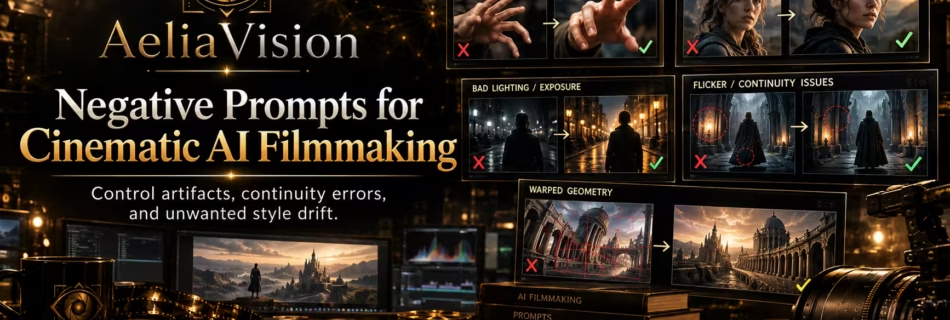
Negative prompts for cinematic AI filmmaking
A practical guide to using negative prompts without overloading an AI image or video request.
A practical guide to using negative prompts without overloading an AI image or video request.
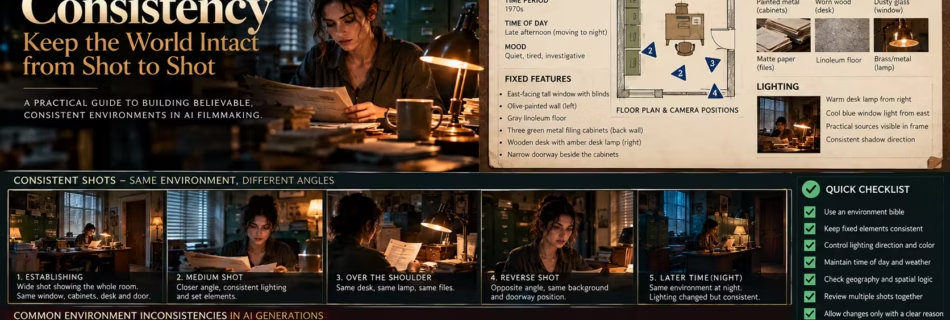
A practical guide to keeping AI film locations consistent from one shot to the next.
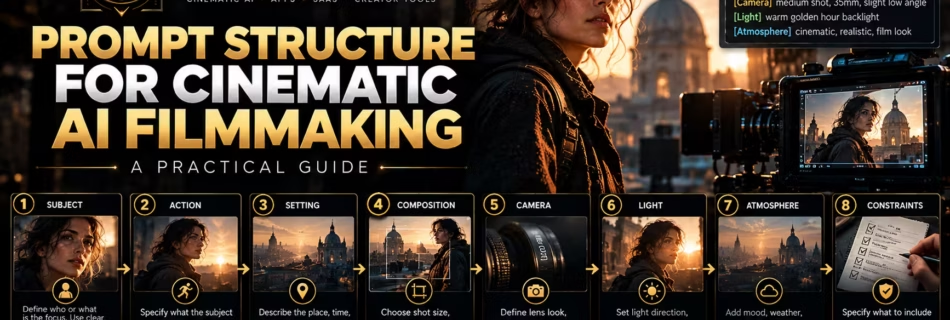
A practical guide to writing AI film prompts as clear directions for a shot.
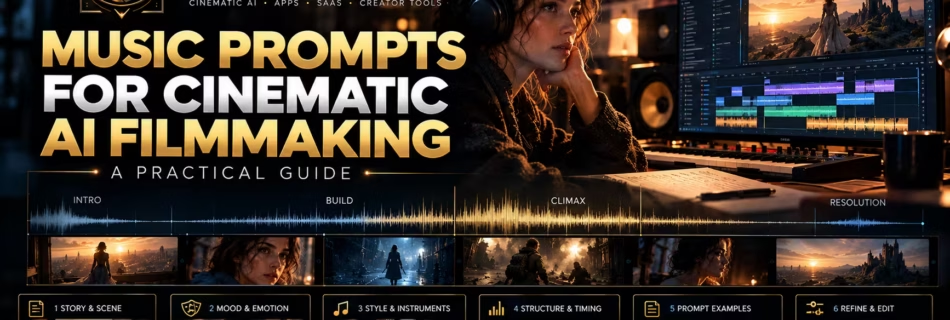
A practical guide to music prompts for cinematic AI filmmaking. Shape mood, tempo, instrumentation, dynamics, transitions, and continuity so AI generated scores serve the cut.
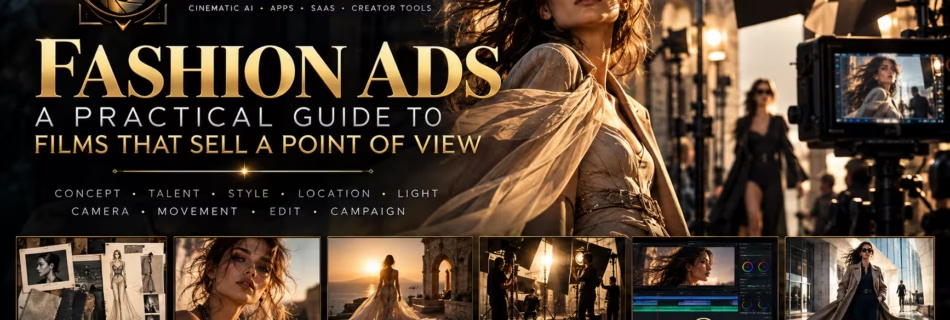
Fashion ads need more than attractive clothes and a good location. This guide explains how to build a clear point of view, direct talent, control fabric and movement, shape light, and finish a fashion film for real campaign use.
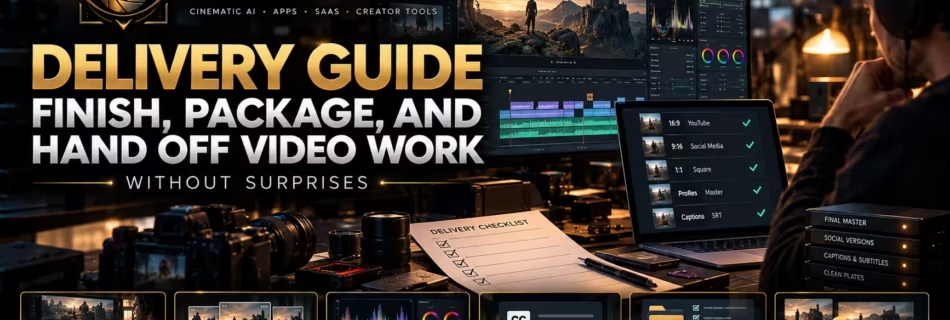
A practical guide to delivery in a production pipeline, covering master files, client handoff, platform versions, archives, approvals, and quality checks.
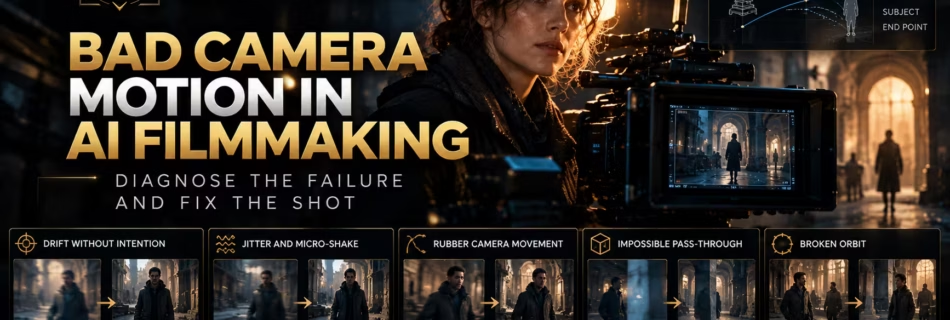
A practical guide to diagnosing bad camera motion in AI video, from drifting horizons and rubbery orbits to impossible paths, subject drift, timing errors, and repair strategies.
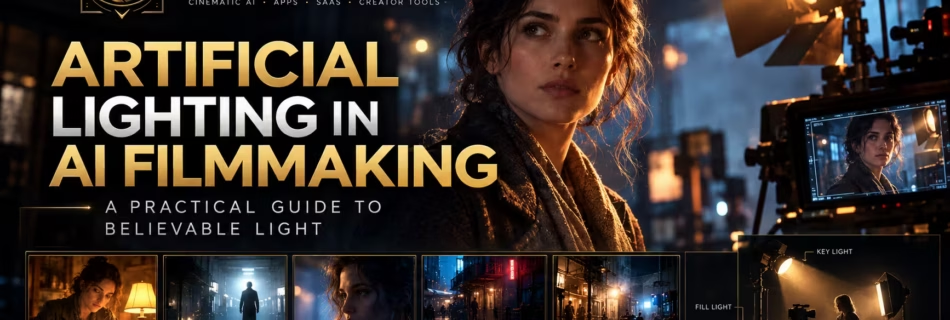
Learn how to design, prompt, and fix artificial lighting in AI filmmaking so generated scenes feel motivated, cinematic, and consistent instead of flat, plastic, or randomly overlit.
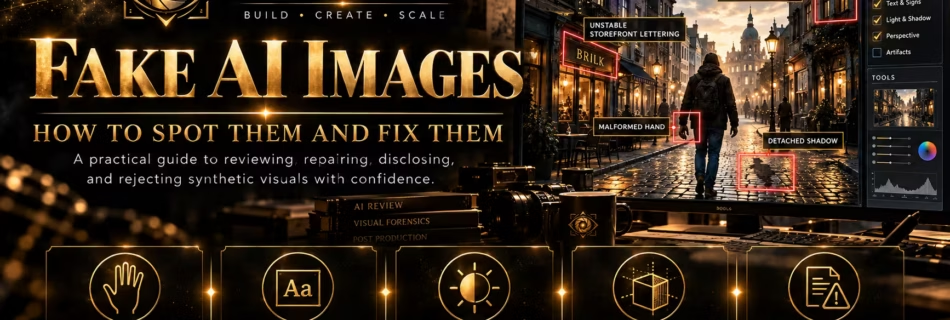
Learn how to spot fake AI images, understand why they look wrong, and fix anatomy, text, lighting, perspective, identity, and compositing problems in a practical review workflow.
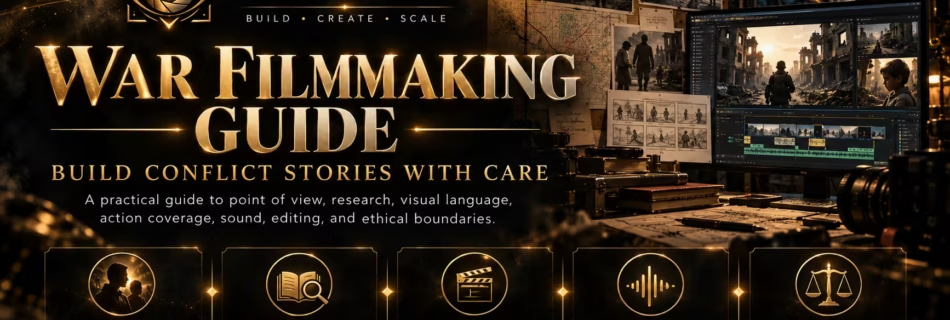
A practical war filmmaking guide for directors and AI creators. Find a human point of view, stage combat clearly, research the world, use sound and editing with restraint, and avoid turning suffering into spectacle.